Professional Land Clearing Safety Standards in Chipley & Surrounding Areas
Professional land clearing requires careful planning, trained operators, suitable equipment, and strict attention to safety. In Chipley, Florida, and surrounding areas such as Bonifay, Vernon, Wausau, Caryville, Sunny Hills, Holmes County, and Washington County, following proper land clearing safety standards helps protect workers, property, nearby structures, and the environment. Whether the project involves removing trees, clearing brush, preparing a construction site, or improving undeveloped land, professional safety practices can make the process more efficient and controlled.
Why are safety standards so important for land clearing projects?
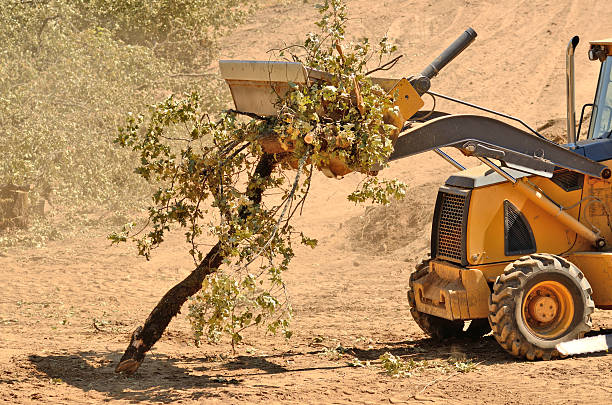
Land clearing involves risks like falling debris, equipment movement, and unstable ground conditions. Safety standards help prevent injuries and reduce property damage during the process. When a team follows proper procedures, the job is more controlled and predictable. Many property owners choose Tree Services to handle cutting and removal safely.
How do professionals evaluate a site before clearing begins?
A site evaluation includes checking slopes, ground stability, access points, and identifying hazards like weak trees or drainage issues. Crews also plan equipment routes and safe working zones to reduce risk. Proper evaluation helps avoid unexpected problems during clearing. This planning makes the entire project safer and more efficient.
What are common hidden hazards that can cause accidents during clearing?
Hidden hazards include buried utilities, old stumps, soft soil, sinkholes, and debris covered by brush. These risks can damage equipment or create unsafe conditions for workers. Professional teams inspect the site and mark hazard areas before starting. Safe planning reduces surprises and improves job control.
How does equipment selection impact safety on a clearing job?
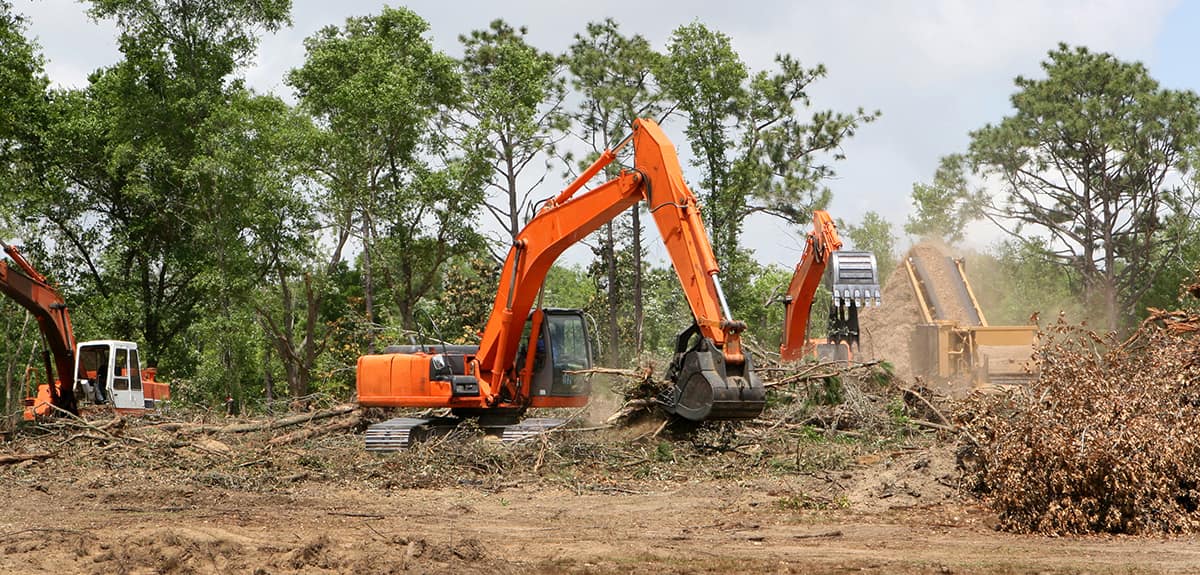
Using the correct equipment helps crews clear land without unnecessary risk or damage. Equipment must match the terrain, vegetation type, and project size. Proper maintenance also prevents breakdowns that could cause accidents. Many projects require Excavator Services for safe digging, grading, and debris handling.
What role does proper training play in land clearing safety?
Training ensures operators understand how to handle equipment safely and recognize danger zones. Skilled crews know how to work around trees, slopes, and obstacles without creating unnecessary risk. Training also supports better communication and safer job coordination. Professional crews reduce mistakes through experience and safety awareness.
How do professionals prevent injuries from falling trees and limbs?
Crews create controlled drop zones and keep workers out of high-risk areas. They also plan cutting angles and use safe techniques to control how trees fall. Spotters and communication tools help keep the job organized. Many teams include Forestry Mulching to reduce risks by clearing brush safely without constant manual cutting.
Why is weather a major factor in clearing safety standards?
Rain can create slippery ground, unstable soil, and reduced visibility for equipment operators. Wind can also increase the risk of falling limbs and unpredictable tree movement. Professionals monitor weather conditions and adjust work plans when needed. Safe scheduling helps prevent accidents and equipment damage.
How can land clearing safety protect nearby homes, fences, and driveways?
Safety planning includes protecting structures by setting boundaries and controlling equipment movement. Crews use careful removal methods to avoid damaging landscaping and nearby surfaces. This reduces repair costs and prevents accidental property damage. Many homeowners also plan Landscaping improvements after clearing to restore the area cleanly.
What steps help keep the site clean and safe after clearing is complete?
Cleanup includes removing debris, leveling unsafe areas, and checking for remaining hazards like sharp stumps or loose branches. A safe finish ensures the land is ready for the next project phase. Proper cleanup also reduces injury risks for property owners. Many landowners schedule Sod Installation after clearing to stabilize soil and improve appearance.
How do professional crews maintain safe communication during land clearing?
Clear communication prevents accidents by keeping everyone aware of equipment movement and active work zones. Teams use hand signals, radios, and safety briefings to stay coordinated. Communication is especially important when multiple machines are operating at once. Organized crews reduce risk through teamwork and clear planning.
What should property owners ask before hiring a land clearing company in Chipley?
Property owners should ask about safety procedures, equipment types, cleanup plans, and how hazards will be handled. It’s also helpful to confirm project timelines and what the final site condition will look like. A professional team should explain the process clearly. Asking the right questions helps ensure safe, reliable results.
Final Thought
Professional land clearing safety standards in Chipley protect workers, property owners, and the land itself throughout the entire clearing process. Safe clearing starts with planning, proper equipment, trained operators, and controlled work zones to reduce risk. Weather awareness, hazard identification, and thorough cleanup all contribute to a smoother and safer project. When safety standards are followed, land clearing becomes more efficient, more predictable, and far less stressful for property owners.
How long does a land clearing project usually take?
Timing depends on the property size, vegetation type, and equipment access. A professional estimate can provide a realistic timeline.
Can land clearing be done without damaging surrounding areas?
Yes, with proper planning and controlled work zones, damage can be minimized. Professional crews focus on safe and careful removal methods.
Is land clearing safe during rainy weather?
Rain can increase risks due to slippery and unstable ground. Many crews reschedule or adjust work plans to maintain safety.
Do I need to be on-site during the clearing process?
It is helpful but not always required. Contractors usually confirm access points and project details before starting work.
What happens to the debris after land clearing?
Debris may be hauled away, mulched, or stacked depending on the project plan. Cleanup options should be discussed before work begins.