Irrigation System Troubleshooting Guide for Chipley Homeowners, Florida and Surrounding Areas
Homeowners in Chipley, Florida, along with nearby areas such as Bonifay, Cottondale, Vernon, Wausau, Graceville, and Sunny Hills, rely on properly working irrigation systems to maintain healthy lawns and landscapes. Florida’s climate can put extra stress on sprinkler systems, making regular troubleshooting essential. Understanding common irrigation issues helps prevent water waste, uneven coverage, and costly repairs while keeping your outdoor spaces green year-round.
What Are the Most Common Irrigation Problems in Chipley, Florida?
Common irrigation problems include clogged sprinkler heads, damaged pipes, leaking connections, faulty valves, incorrect controller settings, low water pressure, and uneven coverage. A good starting point is to identify exactly what changed. For example, if only one zone has stopped working, the problem may be associated with that zone's valve, wiring, or sprinkler components rather than the entire system.
Why Is My Irrigation System Not Turning On?
If none of the zones operate, first check whether the controller has power and whether the irrigation water supply is turned on. The controller should also be checked for programming errors, active rain-sensor settings, or incorrect start times. A malfunctioning controller or electrical connection can prevent the system from activating even when the sprinkler heads and pipes are in good condition.
If one zone works while another does not, inspect the affected zone's valve and wiring. Electrical troubleshooting should be handled carefully, especially when the controller or wiring appears damaged.
Why Are Some Sprinkler Heads Not Spraying Properly?
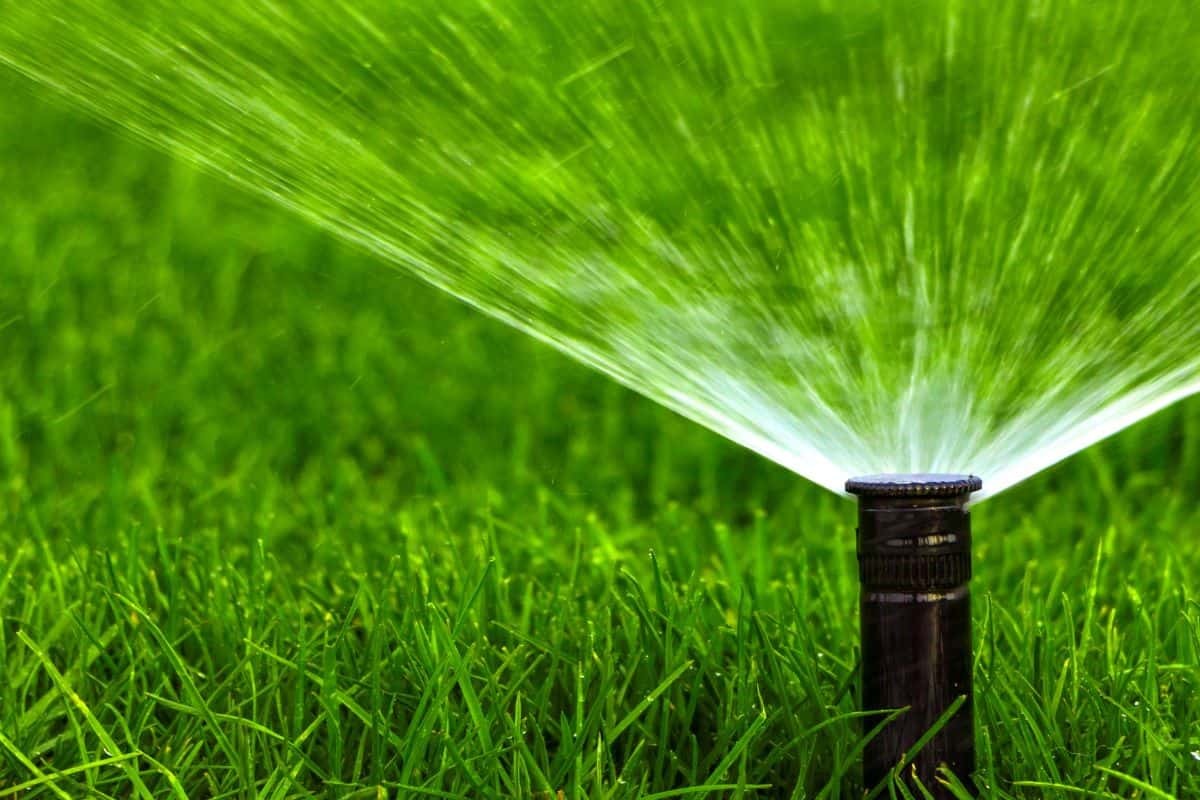
A sprinkler head may fail to spray because its nozzle is clogged, damaged, buried, incorrectly positioned, or blocked by vegetation. Dirt and landscape growth can interfere with the water pattern and leave portions of the lawn dry. UF/IFAS specifically identifies vegetation blocking the water stream as one of the common residential irrigation maintenance problems.
What Causes Low Water Pressure in an Irrigation System?
Low pressure can result from leaks, damaged pipes, excessive demand, clogged components, or problems with the water supply. When pressure drops, sprinkler heads may fail to rise completely or may produce weak, uneven streams. Underground pipe damage can also increase system flow and reduce dynamic pressure.
Why Does My Lawn Have Dry or Brown Patches?
Dry patches usually indicate that water is not reaching those areas evenly. A clogged nozzle, misaligned sprinkler, blocked spray pattern, insufficient pressure, or poor zone design can all contribute to uneven watering. UF/IFAS recommends paying attention to irrigation uniformity because inconsistent application can result from maintenance and design problems.
Why Is Water Pooling Around My Sprinkler Heads?
Pooling water may indicate a broken sprinkler head, leaking pipe, faulty valve, excessive watering, poor drainage, or a low area in the landscape. If water continues accumulating after irrigation has stopped, inspect the affected sprinkler and surrounding soil for signs of a leak.
How Can I Troubleshoot a Leaking Irrigation Line?
Start by shutting off the irrigation water before examining the suspected leak. Look for unusually wet soil, standing water, damaged tubing, or water spraying from a connection. For accessible irrigation tubing, damaged sections can sometimes be cut out and replaced with compatible fittings and tubing.
Why Does One Irrigation Zone Stay On?
A zone that will not shut off may have a malfunctioning valve, damaged valve diaphragm, controller problem, or electrical issue. One useful troubleshooting step is determining whether the valve continues running after the controller is powered down. A valve that continues to allow water through without electrical power may require mechanical inspection or repair.
How Can Homeowners Prevent Irrigation Problems?
Regular inspection is one of the easiest ways to prevent larger irrigation failures. Walk through the property while each zone operates and look for clogged heads, broken components, overspray, pooling water, and dry areas. Also review the controller schedule periodically instead of assuming an old program is still appropriate.
When Should You Call an Irrigation Professional in Chipley and Surrounding Areas?
Professional assistance is recommended when troubleshooting involves underground pipe breaks, persistent pressure problems, electrical faults, malfunctioning valves, extensive drainage issues, or repeated irrigation failures. A professional can evaluate the system as a whole instead of replacing individual components without identifying the underlying cause.
Final Thoughts
Irrigation troubleshooting starts with identifying the symptom and then checking the system component by component. Simple problems such as clogged nozzles, incorrect settings, and misaligned sprinkler heads may be manageable for homeowners, while underground leaks, electrical problems, valve failures, and persistent pressure issues may require professional attention. A systematic approach can help Chipley-area homeowners maintain more consistent irrigation and avoid unnecessary water waste.
How often should I inspect my irrigation system in Chipley, Florida?
Inspect your system at least twice a year and after heavy storms. Regular checks help detect leaks, clogs, and malfunctioning components early.
Can I fix minor irrigation issues myself?
Yes, many homeowners can clean clogged nozzles, replace heads, and adjust timers. Larger issues may require professional help for safe and effective repairs.
What causes uneven water distribution in my sprinkler system?
Uneven distribution is often due to clogged nozzles, misaligned heads, or low water pressure. Adjusting or replacing affected parts restores proper coverage.
Do irrigation systems save water in Florida’s hot climate?
Yes, well-maintained systems deliver water efficiently to targeted areas. Proper scheduling and regular maintenance reduce waste and promote healthy lawns.
How often should trees in Chipley, FL be serviced?
Most trees benefit from trimming and maintenance every 1–3 years, depending on species and growth.