
Lawn Care Best Practices for Healthy Turf in Fort Walton, FL and Surrounding Areas
Maintaining a healthy, green lawn in Fort Walton, FL requires more than regular mowing. The warm climate, sandy soil, humidity, and seasonal rainfall all influence how your grass grows throughout the year. By following proven lawn care practices, homeowners can enjoy a lush landscape that improves curb appeal and increases property value. Whether you live in Fort Walton Beach or nearby communities like Shalimar, Mary Esther, Wright, Destin, Niceville, Valparaiso, Crestview, Navarre, and Eglin AFB, proper lawn maintenance helps your turf stay healthy in every season.
Why Is Proper Lawn Care Important for Homes in Fort Walton, FL?
A healthy lawn does more than make your property look attractive. Thick, healthy turf helps reduce soil erosion, limits weed growth, improves drainage, and creates a safer outdoor space for families and pets. Consistent lawn care also protects your landscape from common Florida pests and diseases while enhancing your home's overall appearance.
How Often Should You Water Your Lawn in Fort Walton, FL?
Watering is one of the most important parts of lawn maintenance. Most lawns in Fort Walton perform best when they receive about one inch of water each week, including rainfall. Watering early in the morning allows moisture to soak into the soil before the heat of the day causes evaporation. Deep, less frequent watering encourages stronger root systems and improves drought resistance.
What Is the Best Grass Type for Fort Walton's Climate?
Warm-season grasses thrive in the Florida Panhandle because they tolerate heat, humidity, and periods of heavy rainfall. Popular options include St. Augustine, Bermuda, Zoysia, and Centipede grass. Selecting the right grass for your property's sunlight, soil conditions, and maintenance goals makes lawn care easier and produces healthier turf.
How Can Proper Mowing Improve Lawn Health?
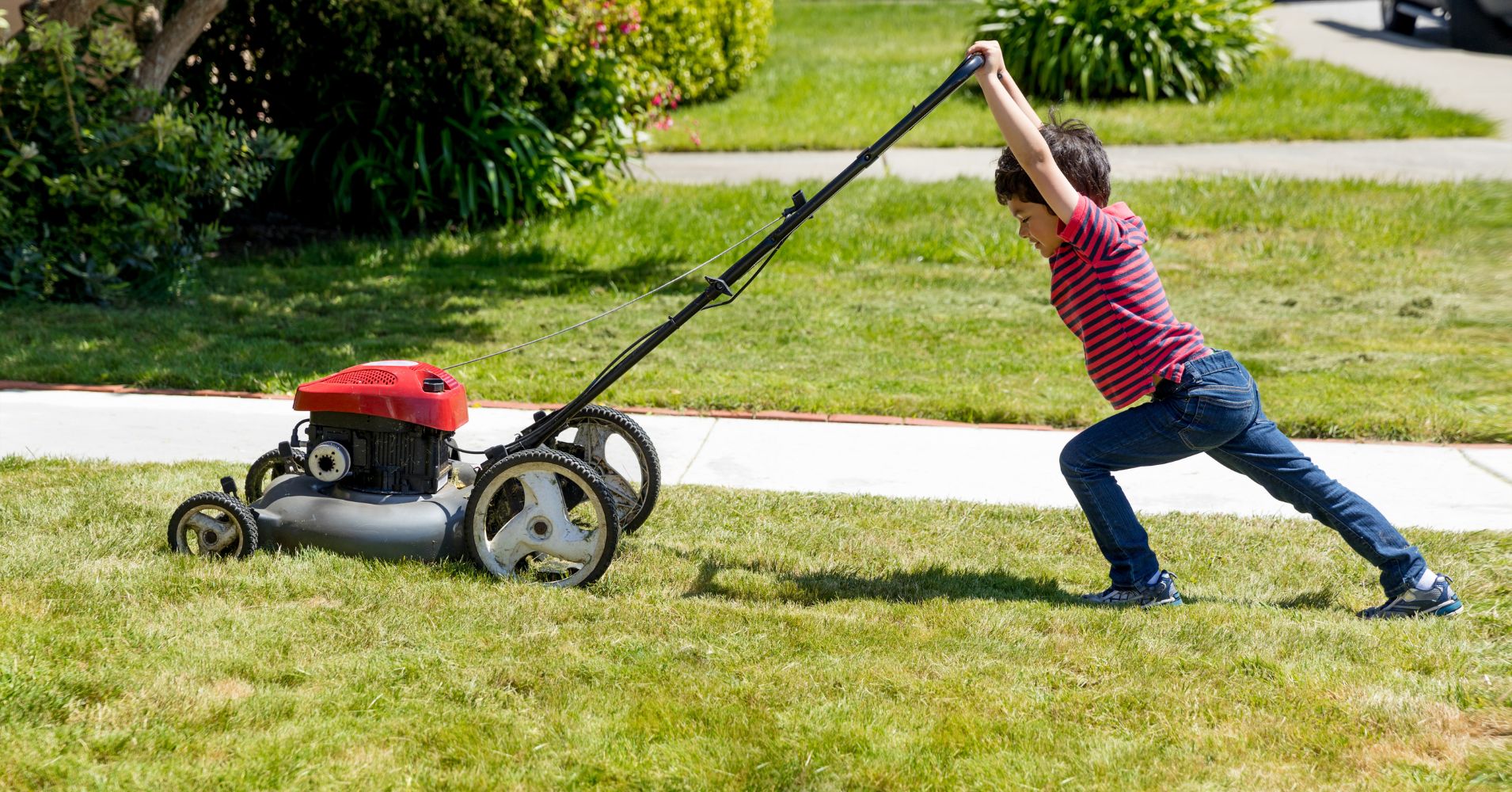
Mowing at the correct height keeps your grass healthy and encourages thicker growth. Avoid cutting more than one-third of the grass blade during a single mowing session. Sharp mower blades create clean cuts that reduce stress and lower the risk of disease. Regular mowing also helps prevent weeds from spreading throughout the lawn.
When Should You Fertilize Your Lawn in Fort Walton?
Fertilization provides the nutrients your grass needs for healthy growth. Applying a balanced fertilizer during the active growing season helps strengthen roots, improve color, and increase resistance to insects and disease. Following local fertilizer guidelines and applying the correct amount prevents nutrient runoff while supporting long-term lawn health.
How Do You Prevent Weeds from Taking Over Your Lawn?
A dense, healthy lawn naturally crowds out weeds. Regular mowing, proper watering, and timely fertilization create conditions that discourage unwanted plants. Pre-emergent weed treatments can stop many weeds before they germinate, while spot treatments help control existing weeds without damaging healthy grass.
What Lawn Pests and Diseases Should Homeowners Watch For?
Florida lawns can experience problems from chinch bugs, armyworms, grubs, fungal diseases, and brown patch. Regular lawn inspections help identify issues before they become severe. Early treatment and proper maintenance reduce damage and help your lawn recover more quickly.
How Can Aeration and Overseeding Benefit Your Turf?
Soil compaction limits water, oxygen, and nutrients from reaching the roots. Aeration loosens compacted soil, allowing healthier root development and improved drainage. In areas with thinning grass, overseeding can increase turf density and create a fuller, more attractive lawn over time.
Why Is Seasonal Lawn Maintenance Important in Fort Walton, FL?
Each season presents different challenges for Florida lawns. Spring focuses on fertilization and growth, summer requires careful watering and pest monitoring, fall prepares the lawn for cooler temperatures, and winter maintenance protects dormant grass from unnecessary stress. Following a seasonal maintenance schedule keeps your lawn healthy year-round.
Why Should You Hire Professional Lawn Care Services in Fort Walton?
Professional lawn care specialists understand local soil conditions, climate patterns, and regional turf varieties. They can develop customized maintenance plans that include mowing, fertilization, weed control, pest management, irrigation adjustments, and seasonal treatments. Professional care saves time while helping your lawn remain vibrant throughout the year.
Final Thoughts
Maintaining healthy turf in Fort Walton, FL requires consistent care, proper watering, regular mowing, balanced fertilization, and timely pest control. By following these lawn care best practices, homeowners throughout Fort Walton Beach, Shalimar, Mary Esther, Destin, Niceville, Valparaiso, Crestview, Navarre, Wright, and nearby communities can enjoy a beautiful, resilient lawn that enhances their property's appearance and value for years to come.
How often should I mow my lawn in Fort Walton, FL?
Most lawns require mowing every 7 to 10 days during the active growing season, depending on rainfall and grass growth.
What is the best time of day to water my lawn?
Early morning is the ideal time because it minimizes evaporation and allows grass blades to dry before evening.
Which grass grows best in Fort Walton?
St. Augustine, Bermuda, Zoysia, and Centipede grasses are all excellent choices for the local climate.
How can I reduce weeds naturally?
Maintaining thick, healthy turf through proper mowing, watering, and fertilization helps prevent weeds from becoming established.
Is professional lawn care worth the investment?
Yes. Professional lawn care can improve turf health, prevent costly problems, and keep your landscape looking its best throughout the year.